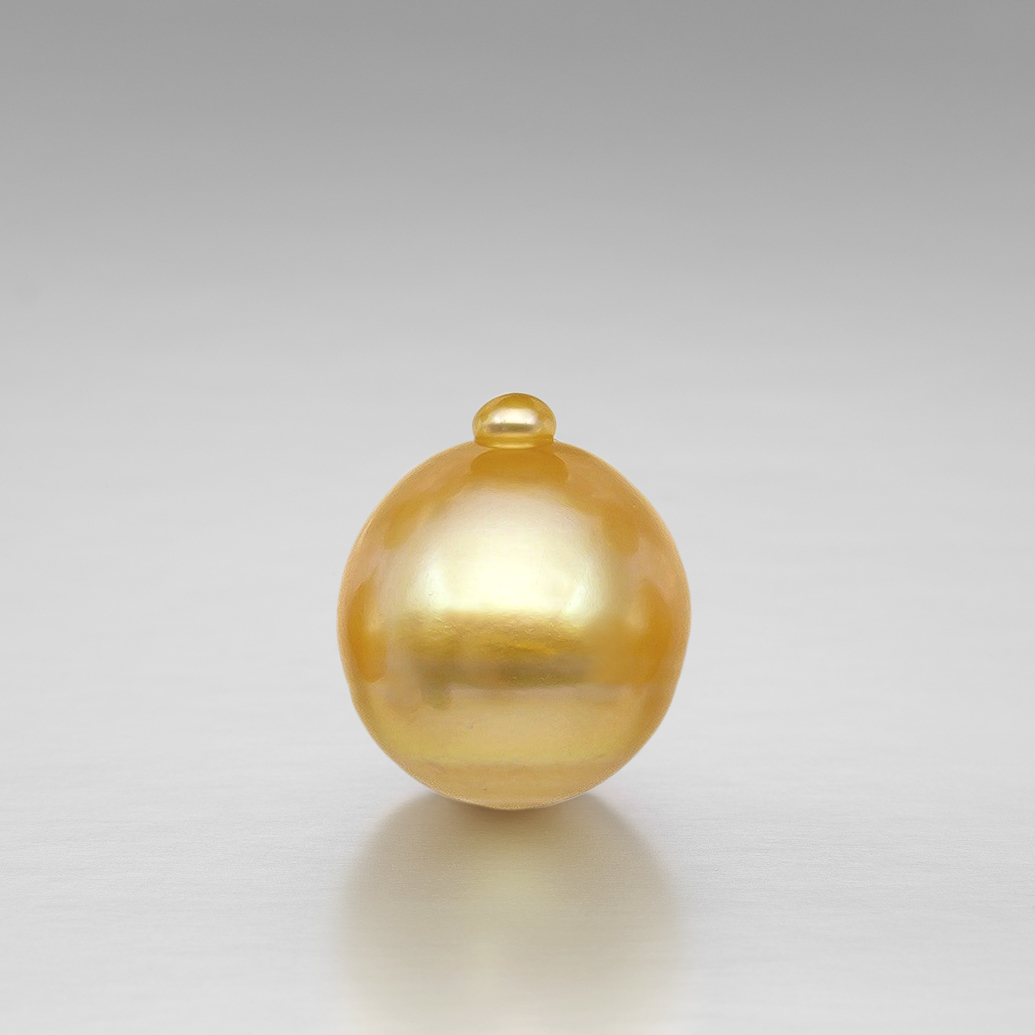
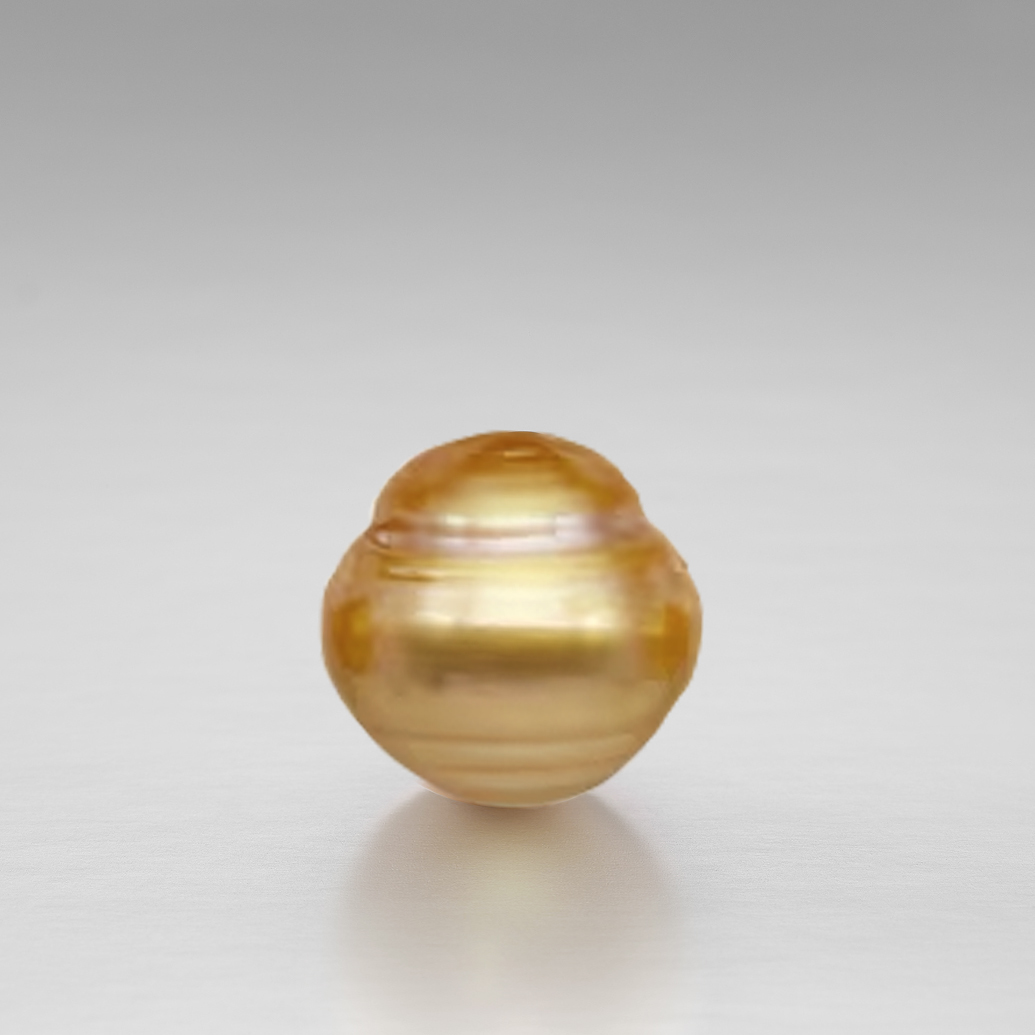
Color
Pearls are found in a wide spectrum of colors. The worth of a Golden South Sea pearl largely depends on its gold to yellow hue, particularly its depth and vibrancy. In contrast, White South Sea pearls vary from white to cream, with the most sought-after white shades often displaying attractive pink or silver overtones.
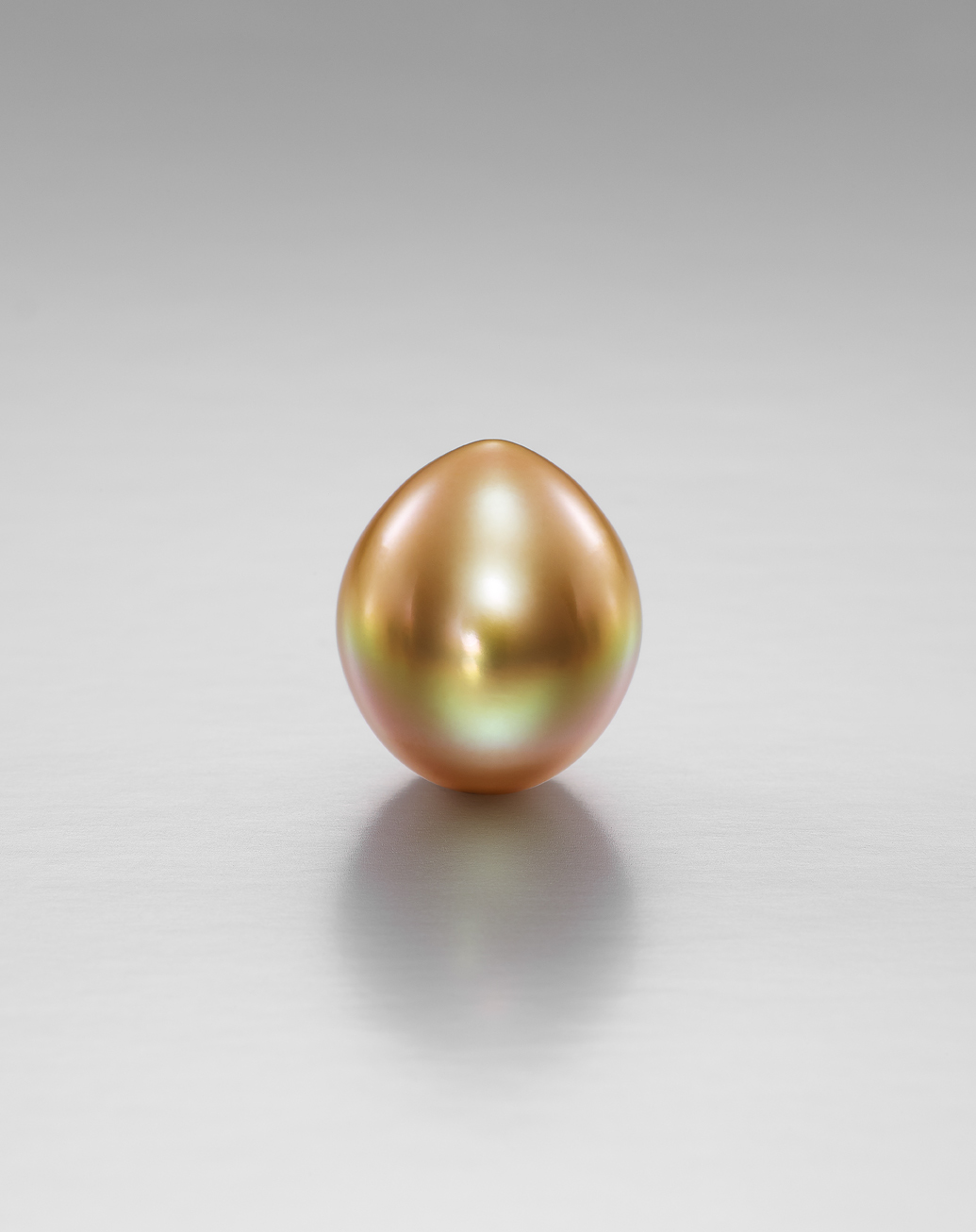
10% annual yield in a good harvest.
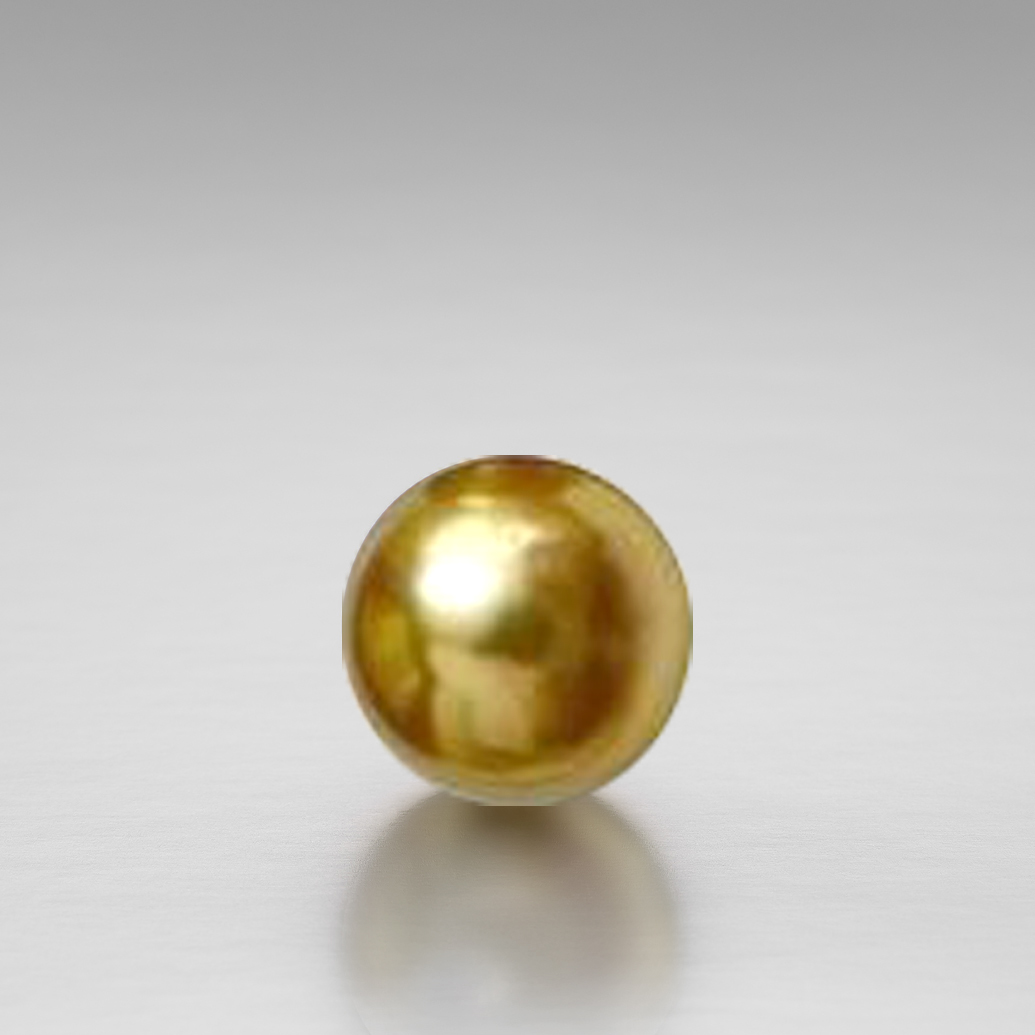
Top 1-5% Annual Yield
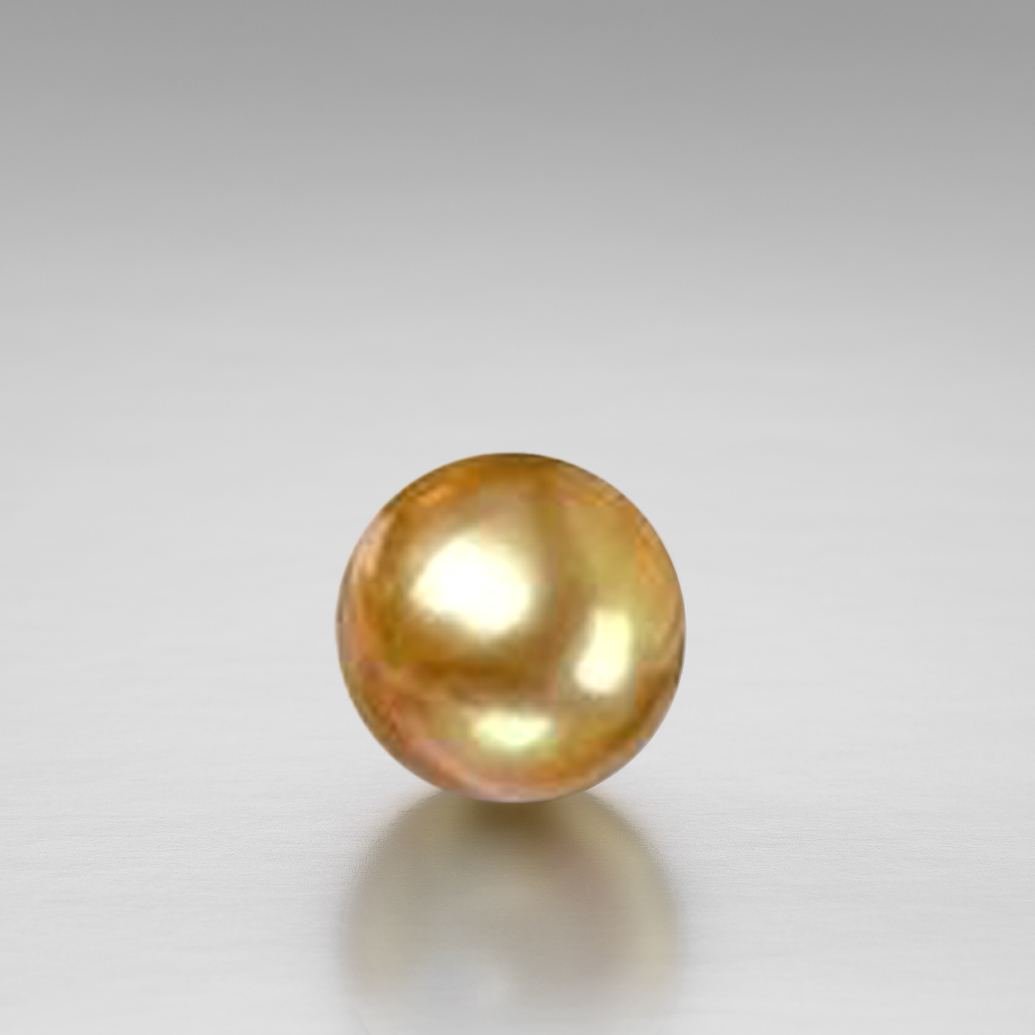
Naturally exist. Harvests can vary throughout the year, we might achieve about 10% in a good harvest.
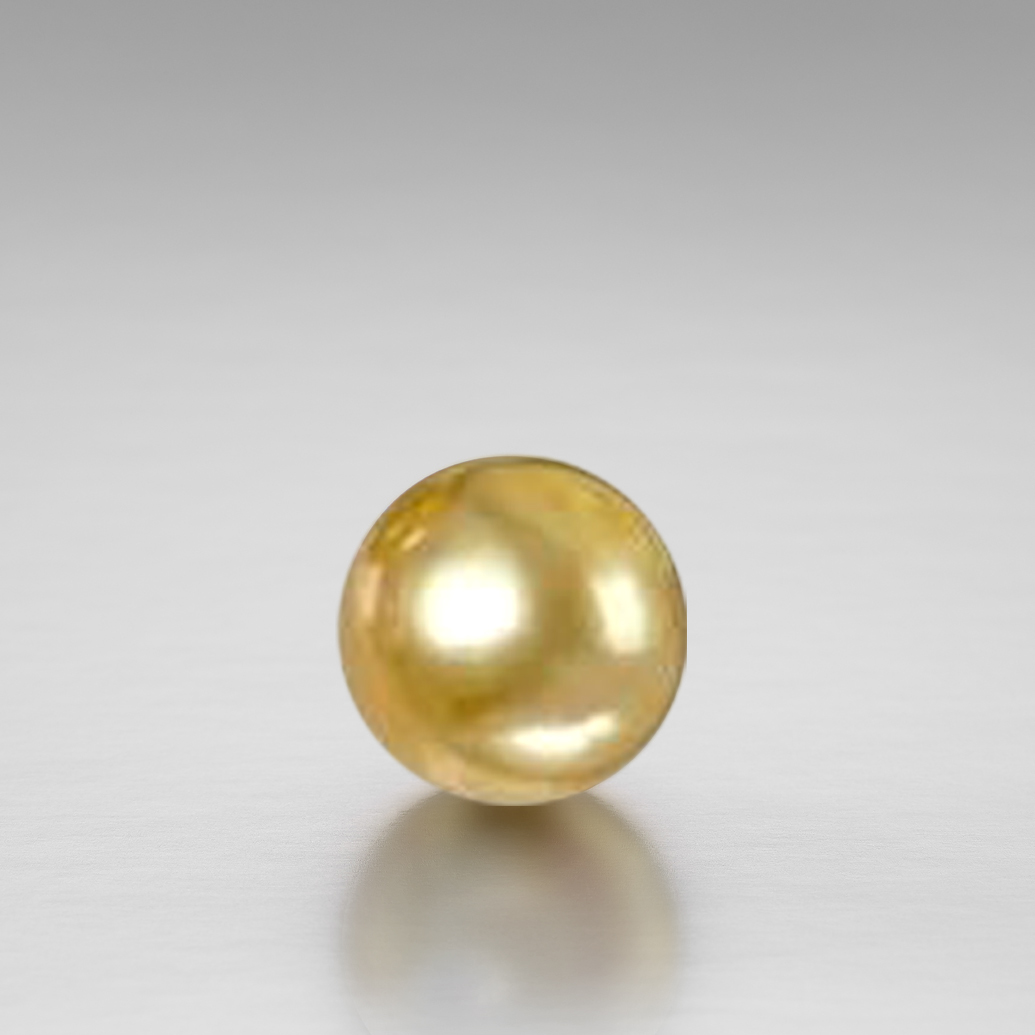
Naturally exist. Harvests can vary throughout the year, we might achieve about 10% in a good harvest.
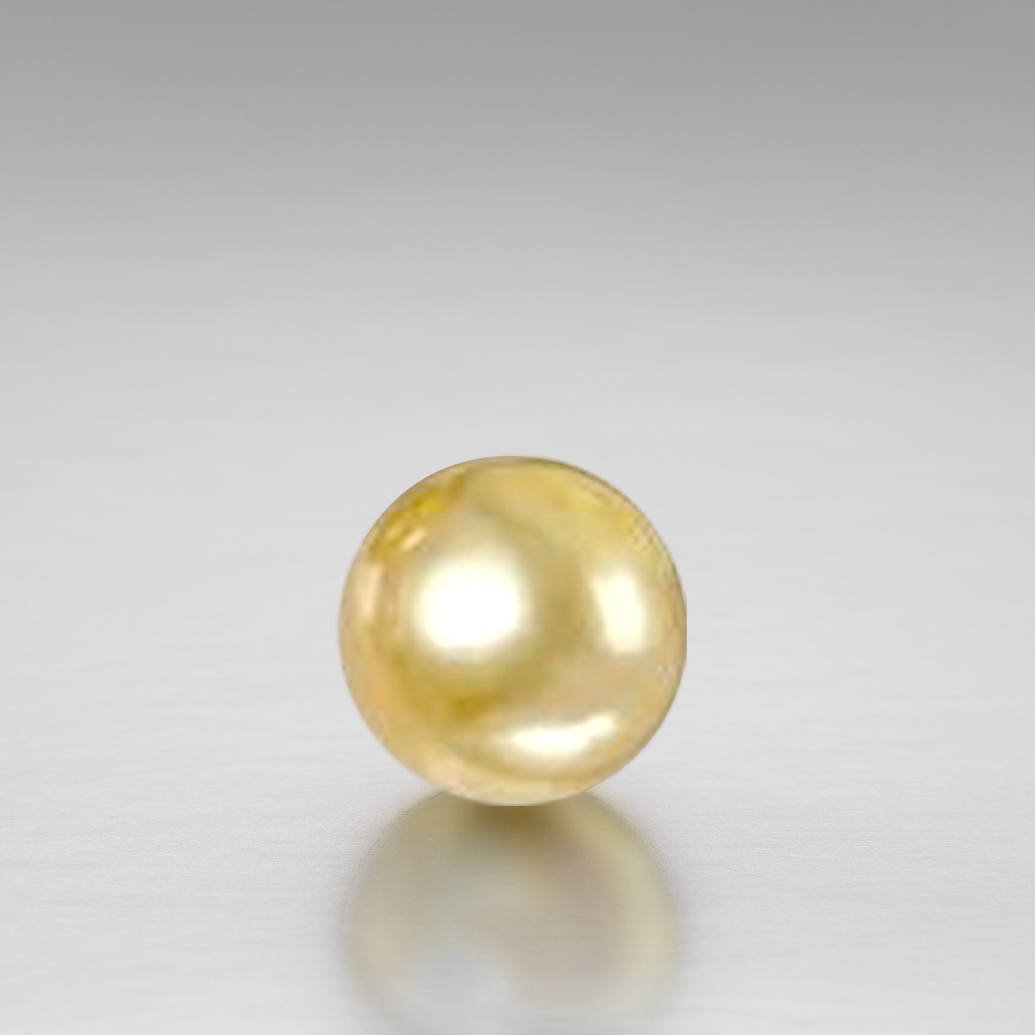
Naturally exist. Harvests can vary throughout the year, we might achieve about 10% in a good harvest.
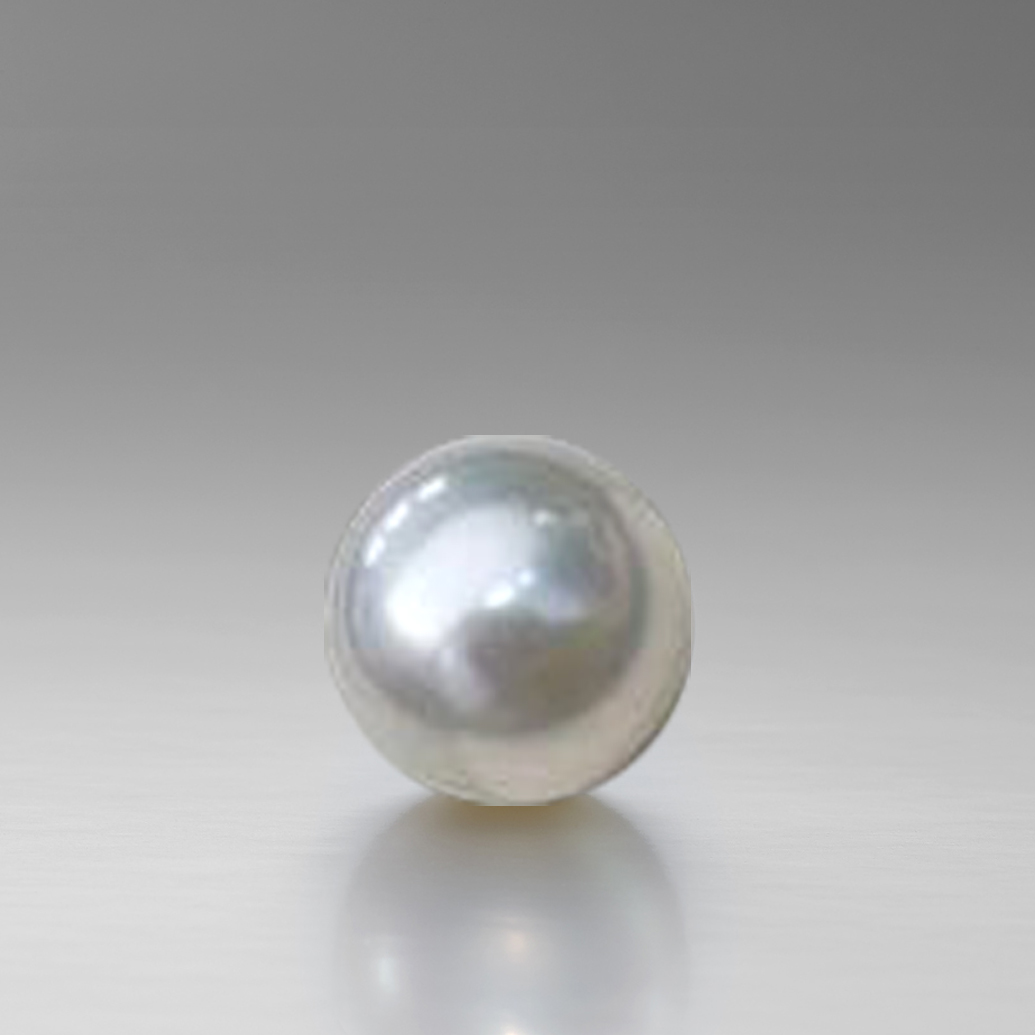
Naturally exist. Harvests can vary throughout the year, we might achieve about 10% in a good harvest.
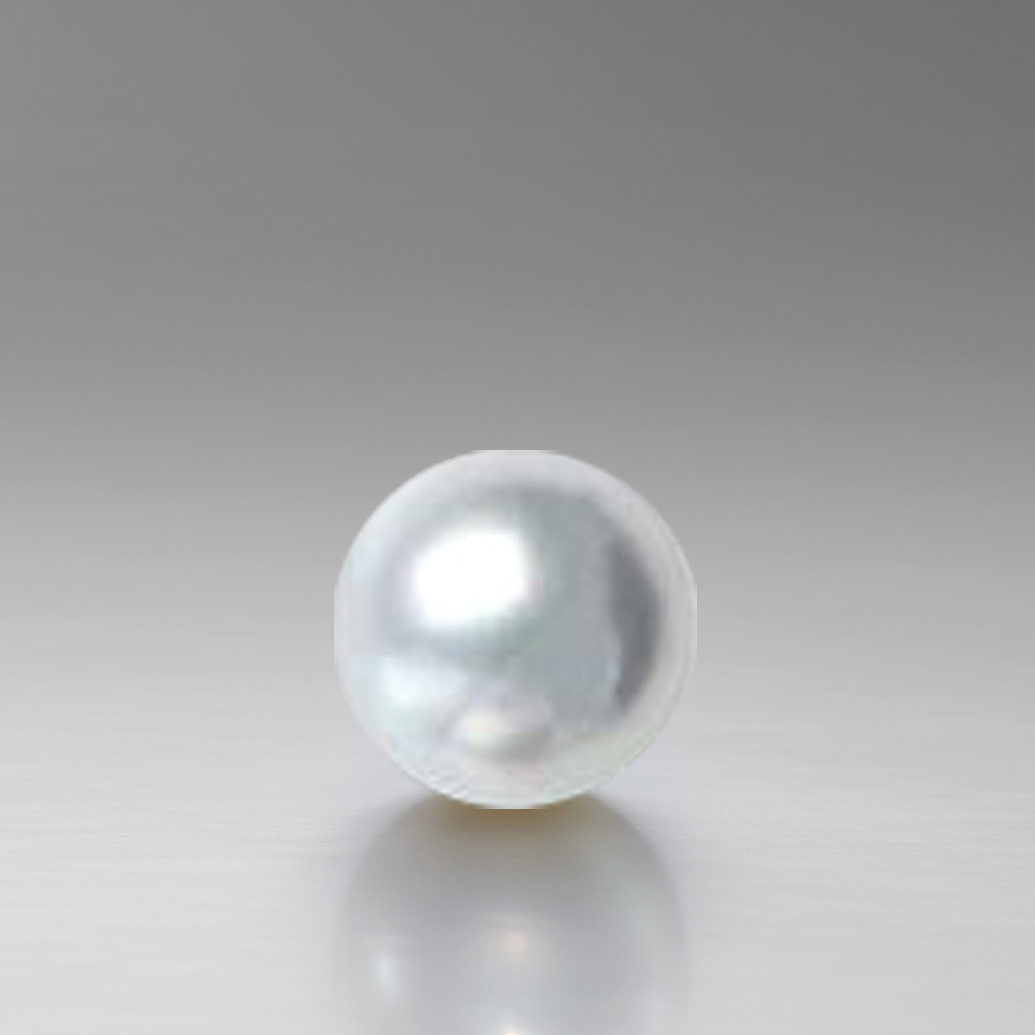
Naturally exist. Harvests can vary throughout the year, we might achieve about 10% in a good harvest.
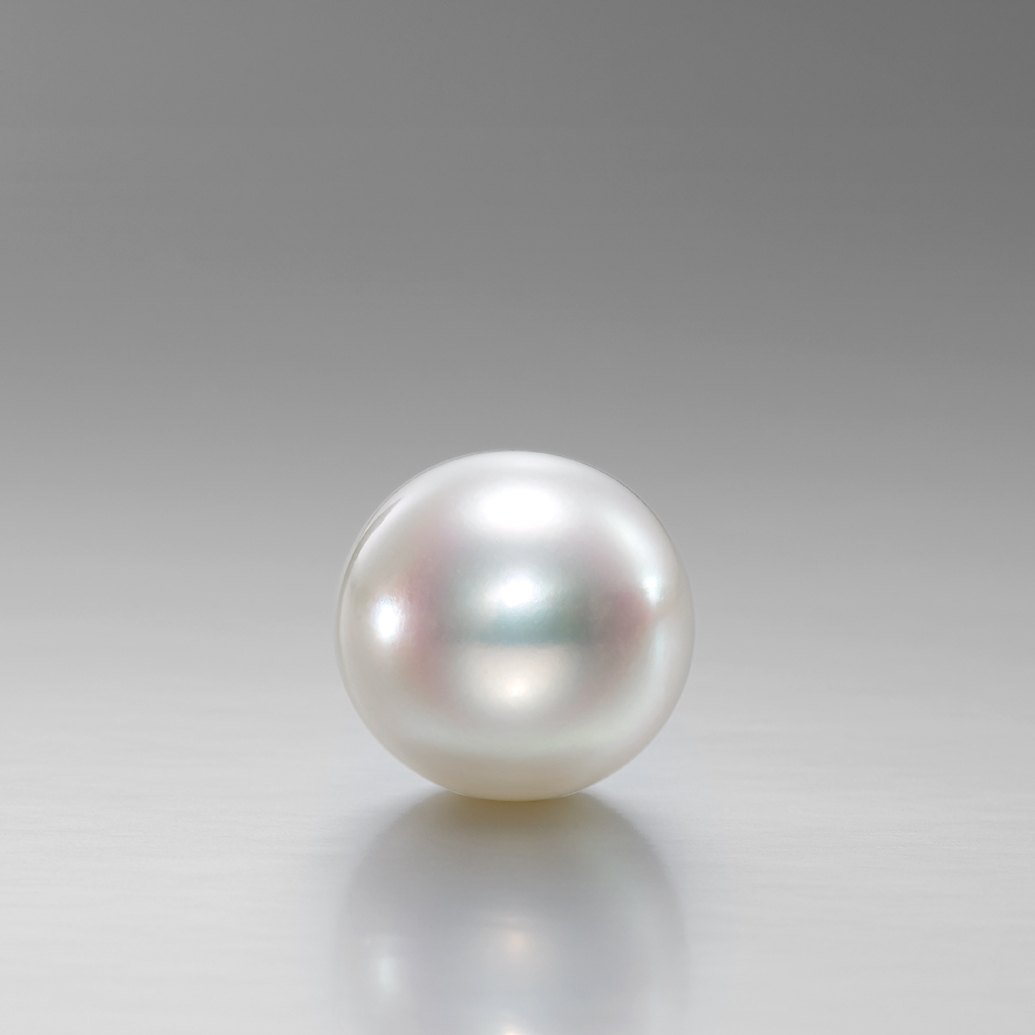
Naturally exist. Harvests can vary throughout the year, we might achieve about 10% in a good harvest.
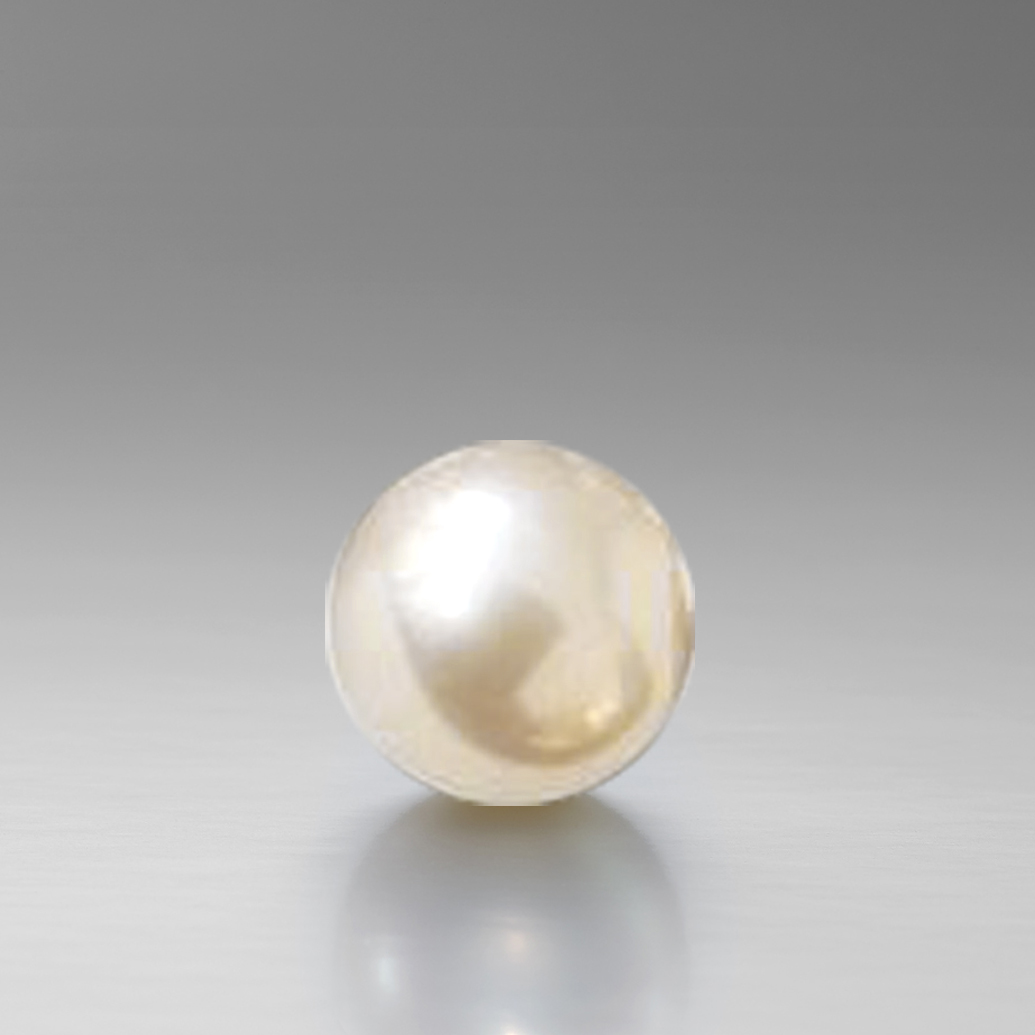
Naturally exist. Harvests can vary throughout the year, we might achieve about 10% in a good harvest.
Surfaces
Pearls never attain perfection; the fewer visible blemishes, the more valuable the pearl.
A Top Quality
no blemish or clean face
Top 1-5% Annual Yield
B Quality
little blemish or drill clean
5-10% Annual Yield
C+ quality
slightly spotted, no clean face
60% Annual Yield
C or below C quality
spotted, no clean face
50% Annual Yield
Shape
Round shapes are the most challenging to cultivate, making them the rarest and typically the most valuable when all other factors are equal. However, there are exceptions; well-formed pear, oval, or baroque pearls are also highly prized by collectors.